Halal Meal Prep Recipes: A Practical Weekly Guide
By the Recipia team · · 6 min read
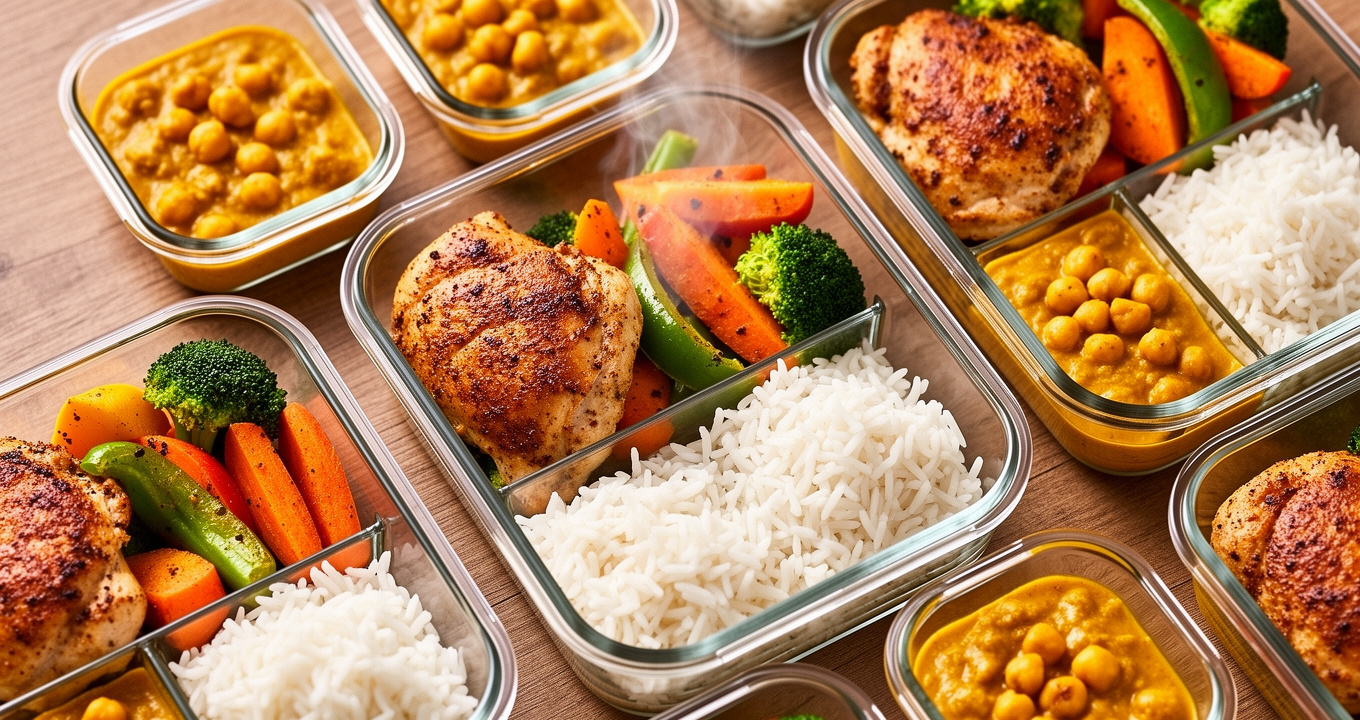
Cooking once and eating well all week is the whole point of meal prep. Doing it within halal guidelines just means a little more attention at the shopping stage and a few smart recipe choices. This guide covers halal meal prep recipes from start to finish: what to read on labels, how to structure a batch-cooking session, which dishes hold up best in the fridge, and how to keep everything safe to eat.
None of this requires special equipment or rare ingredients. It mostly requires a plan and a habit of checking.
What makes a meal prep recipe halal
Halal eating rules out pork and its by-products and alcohol, and it requires that meat and poultry come from animals slaughtered according to Islamic guidelines (zabihah). Most plant foods, grains, legumes, eggs, dairy and seafood are naturally permitted, which gives you a huge base to build on.
The tricky part is not the obvious items. It is the hidden ingredients that slip into processed foods. When you prep in bulk, one questionable sauce or stock cube affects every container you fill, so a quick label habit pays off.
Label checks that matter most
Scan for these before anything goes in the cart:
- Gelatin. Common in marshmallows, gummy sweets, some yogurts, mousses and capsules. Unless it is labelled halal, fish, or plant-based (agar, pectin, carrageenan), treat it as uncertain.
- Alcohol-based extracts. Vanilla extract is usually alcohol-based. Look for alcohol-free vanilla, vanilla powder, or use the seeds from a pod.
- Cooking wines and spirits. Mirin, sherry, Shaoxing wine, rum, and "wine vinegar" in some recipes. Plain distilled vinegar and rice vinegar are generally fine; swap cooking wines for stock plus a splash of vinegar or lemon.
- Meat sourcing. Buy poultry, beef and lamb labelled zabihah or from a trusted halal butcher. For packaged items like sausages, deli meats and broths, check for a halal mark.
- Animal-derived additives. Rennet in some cheeses, lard or "animal fat" in pastries and refried beans, and mono- and diglycerides (which can be animal or plant) in baked goods.
- Flavour enhancers and stocks. Bouillon cubes and gravy mixes sometimes contain non-halal fats or wine solids. Powdered or liquid stock marked vegetable or halal removes the doubt.
When an ingredient list is vague, the safest move is to choose a clearly labelled alternative rather than guess.
A simple batch-cooking structure
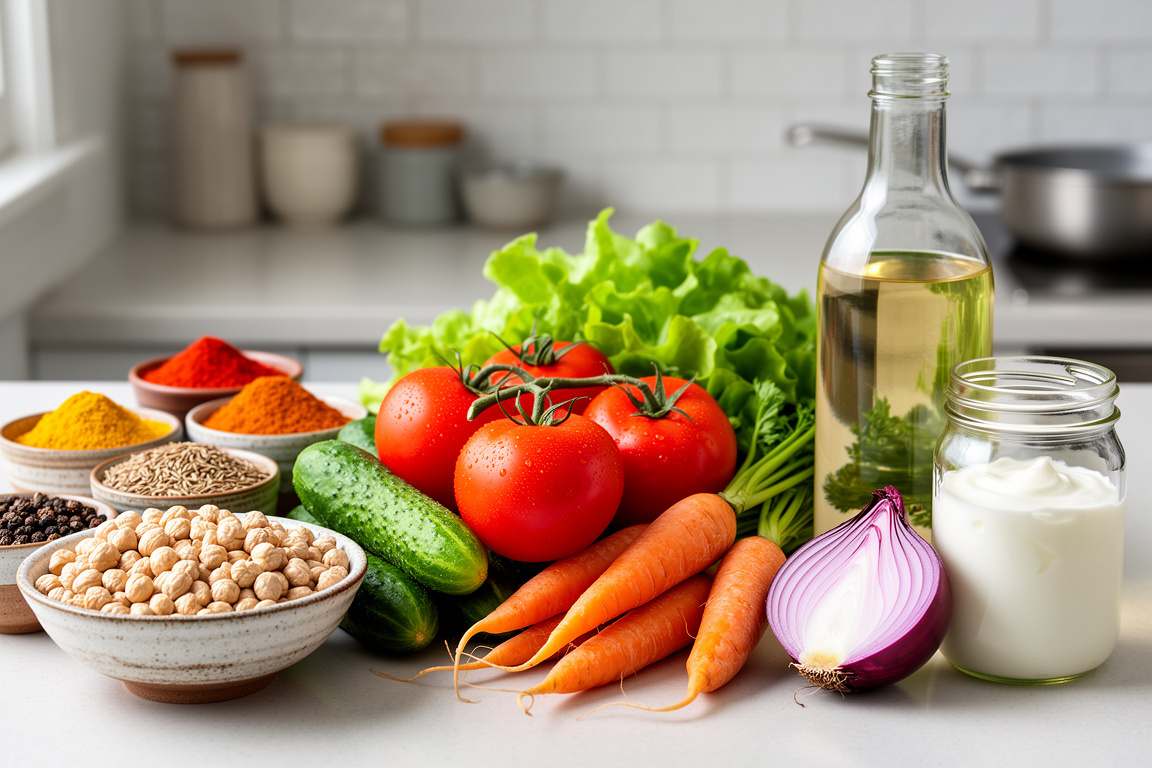
Good meal prep is modular. Instead of cooking seven complete meals, cook a few components that mix and match. This keeps food interesting across the week and reduces waste.
A reliable weekly structure has four building blocks:
- A protein or two. For example, spiced baked chicken thighs and a pot of chickpea curry. Cook proteins fully so they only need reheating.
- A grain or starch. Rice, couscous, quinoa, or roasted potatoes. Cook a large batch and portion it cold.
- Vegetables. Roast a tray of mixed vegetables and prep one raw item (chopped salad, sliced cucumber) for freshness.
- A sauce or dressing. A yogurt-garlic sauce, a tahini dressing, or a tomato base ties plain components together and stops meals tasting repetitive.
Assemble containers by combining one from each block. Four blocks cooked in a two-hour session can produce 10 to 12 meals with real variety.
A sample two-hour flow
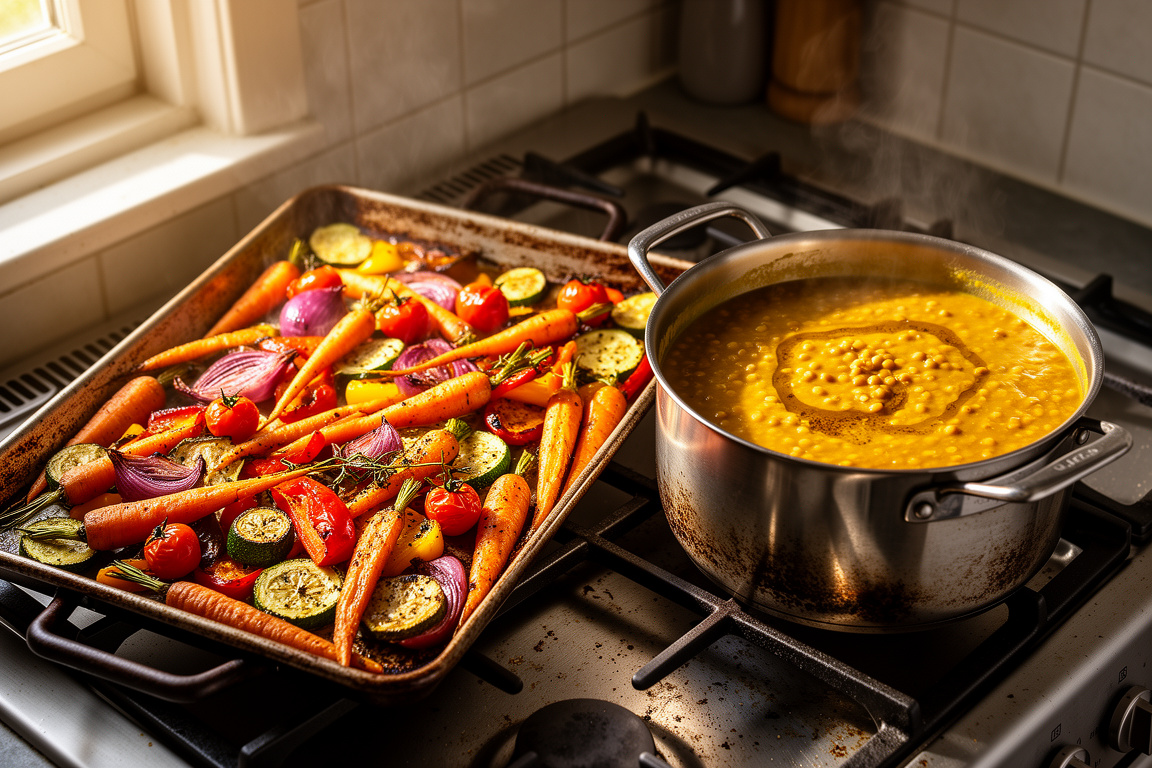
- Start the longest cook first: get rice on and chicken in a hot oven (roughly 200°C / 400°F).
- While those run, roast your vegetable tray on a second shelf.
- Simmer the chickpea curry on the stove.
- Mix cold sauces and chop raw salad last, since they need no heat.
- Cool everything before sealing and refrigerating.
Halal dishes that keep well
Some foods survive refrigeration and reheating far better than others. Lean on these for the bulk of your week, and save delicate items for the first day or two.
| Dish type | Keeps well (fridge) | Notes |
|---|---|---|
| Braised and stewed meats | 3-4 days | Flavour often improves by day two |
| Bean and lentil curries | 3-4 days | Freeze extra portions easily |
| Roasted chicken pieces | 3-4 days | Keep sauce separate to avoid sogginess |
| Cooked rice and grains | up to 4 days | Cool fast, store cold, reheat until steaming |
| Roasted root vegetables | 4-5 days | Hold texture better than leafy greens |
| Fresh salads and herbs | 1-2 days | Dress just before eating |
Dishes with a sauce, a spice base, or slow-cooked structure almost always reheat better than crisp or fried foods. Good halal candidates include chicken or chickpea curry, beef keema with peas, lentil daal, shawarma-spiced baked chicken, kofta in tomato sauce, and grain bowls with roasted vegetables and a yogurt sauce.
Batch-cook proteins and grains, keep crunchy and raw elements separate, and your containers will taste made-to-order rather than tired.
Food safety for a week of prep
Safe storage is what makes meal prep worth doing. A few widely accepted rules cover almost every situation:
- Cool quickly. Get cooked food into the fridge within two hours of cooking (within one hour if the room is hot, around 32°C / 90°F). Spread food in shallow containers so it cools faster.
- Keep the fridge cold. At or below 4°C (40°F).
- Reheat thoroughly. Heat leftovers until steaming hot throughout, to 74°C (165°F) if you use a thermometer. Reheat only the portion you will eat, once.
- Mind the fridge window. Most cooked dishes are best eaten within 3 to 4 days. If you prep for a full seven days, freeze the later portions and thaw them in the fridge overnight.
- Rice care. Cooked rice should be cooled quickly and refrigerated promptly, because it can harbour bacteria if left at room temperature.
If you manage a health condition such as diabetes or kidney disease, portion sizes and ingredients may need adjusting; a qualified dietitian or your doctor can tailor the details.
Planning the week without the guesswork
The planning stage is where halal prep usually stalls. You need recipes that fit the rules, a sensible balance across the week, and a shopping list that matches what you will actually cook.
A clear approach:
- Pick two proteins, two starches, and a vegetable spread you can rotate.
- Decide your portions per day and multiply ingredients accordingly.
- Write one shopping list grouped by store section so you buy once.
- Note any label swaps in advance (alcohol-free vanilla, halal stock) so you are not deciding in the aisle.
If you would rather skip the manual math, Recipia can generate a weekly meal plan from a dietary preference such as halal, a goal, and a daily calorie target, then build a shopping list from the recipe ingredients. You can set the servings you need and have each ingredient amount scale with it.
Nutrition is worth a glance too, especially if you are prepping toward a goal. Keep in mind that calorie and macro figures are estimates that shift with brands, cuts of meat, and portion sizes, so treat them as a guide rather than a precise measurement.
Make the recipes work for your kitchen
Family recipes and online dishes rarely arrive in meal-prep-ready form. Two small adjustments help:
- Scale to your week. A recipe for four becomes a recipe for twelve with proportional ingredient increases. Recipia can scale servings and show the new amounts, which saves error-prone mental arithmetic.
- Keep instructions clear. If a recipe is in another language or written for an experienced cook, simplify the steps so prep day moves quickly.
With components chosen, labels checked, and storage sorted, a single cooking session can carry you through most of the week with meals that stay halal, varied, and genuinely good to eat.
Try it in Recipia
Ready to plan a halal week without the guesswork? Try Recipia free to generate a halal meal plan, scale recipes to your portions, and build a shopping list from your ingredients.
Frequently asked questions
Is vanilla extract halal?
Standard vanilla extract is usually alcohol-based, so many people avoid it. Alcohol-free vanilla, vanilla powder, or seeds scraped from a vanilla pod are reliable halal alternatives.
How long do halal meal prep dishes last in the fridge?
Most cooked dishes are best eaten within 3 to 4 days when stored at or below 4°C (40°F). For a full week, freeze the later portions and thaw them in the fridge overnight.
Which halal dishes reheat the best for meal prep?
Saucy, slow-cooked dishes hold up best, such as chicken or chickpea curry, beef keema, lentil daal, and kofta in tomato sauce. Keep crunchy or raw elements separate and add them just before eating.
What hidden ingredients should I check for on labels?
Watch for gelatin, alcohol-based extracts, cooking wines, rennet in cheese, lard or animal fat, and mono- and diglycerides. When a label is unclear, choose a product with a clear halal or plant-based mark.
Are the calorie and macro numbers on recipes accurate?
They are estimates and vary with brands, cuts of meat, and portion sizes, so use them as a general guide. For health conditions, ask a qualified dietitian or doctor for tailored advice.